Leyoo Travel ·
For a first trip to New Zealand, choosing the North Island or South Island comes down to the experiences you most want and how much time you want to spend travelling between places. Consider the North Island for a trip centred on cities, Māori culture and geothermal landscapes. Consider the South Island if mountains, lakes and fiords are your priorities. Both islands can suit family holidays; look at the specific regions and pace you are considering.
With limited time, a relaxed trip around one island is usually easier to arrange. Visiting both islands suits travellers with enough time and room in their plans for travel between them. The durations and combinations below are suggestions to help you choose, rather than fixed itineraries.
Start with three questions
- Which two experiences matter most? Writing down priorities such as geothermal landscapes and culture, or mountains and lakes, gives your route a clearer focus than a long attraction list.
- How much time do you have in New Zealand? Allow for international flights, settling in after arrival and preparing for your return. Count the nights you can spend locally, and do not treat arrival day as a full sightseeing day.
- What pace suits your companions? With children, older relatives or anyone prone to travel sickness, agree on comfortable driving durations and accommodation changes before deciding how much ground to cover.
Compare experiences and itinerary choices
| Consideration | North Island | South Island |
|---|---|---|
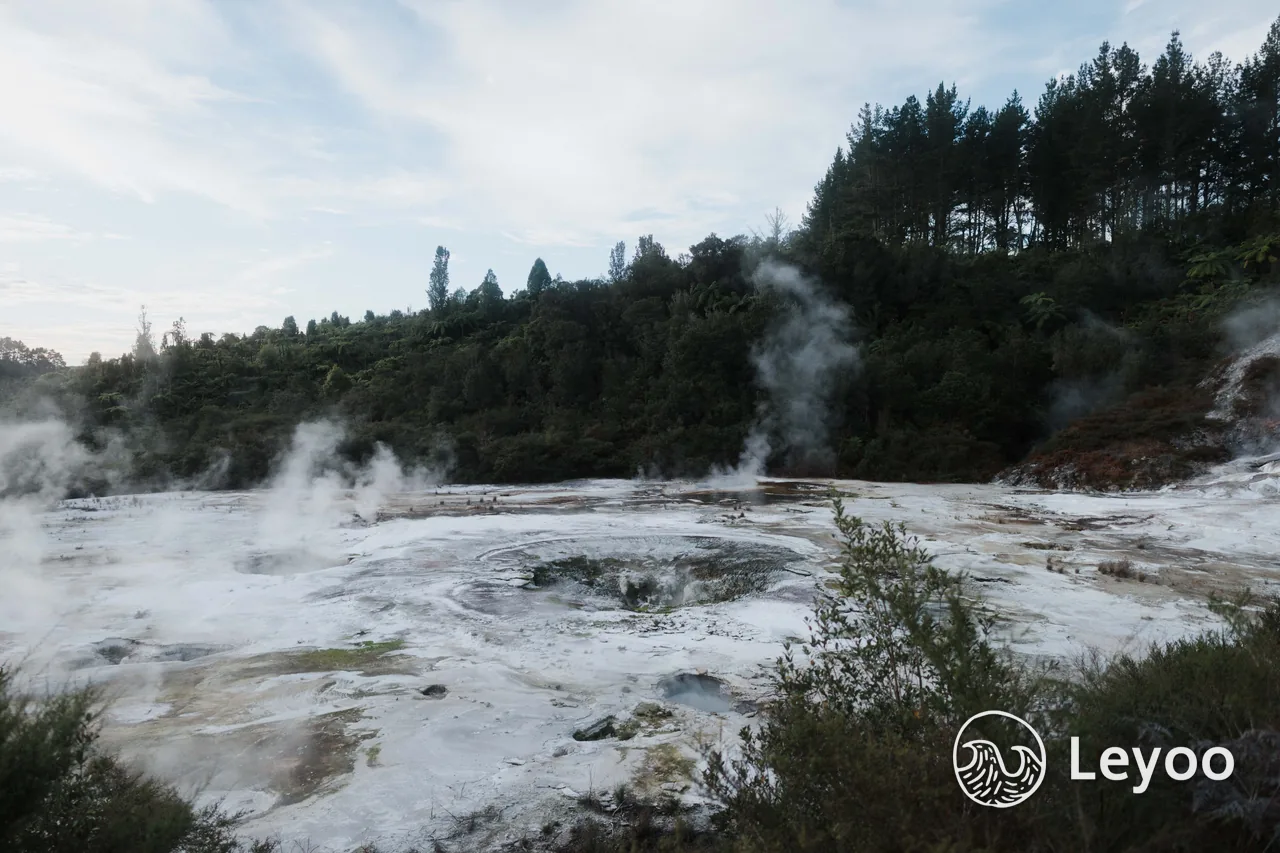
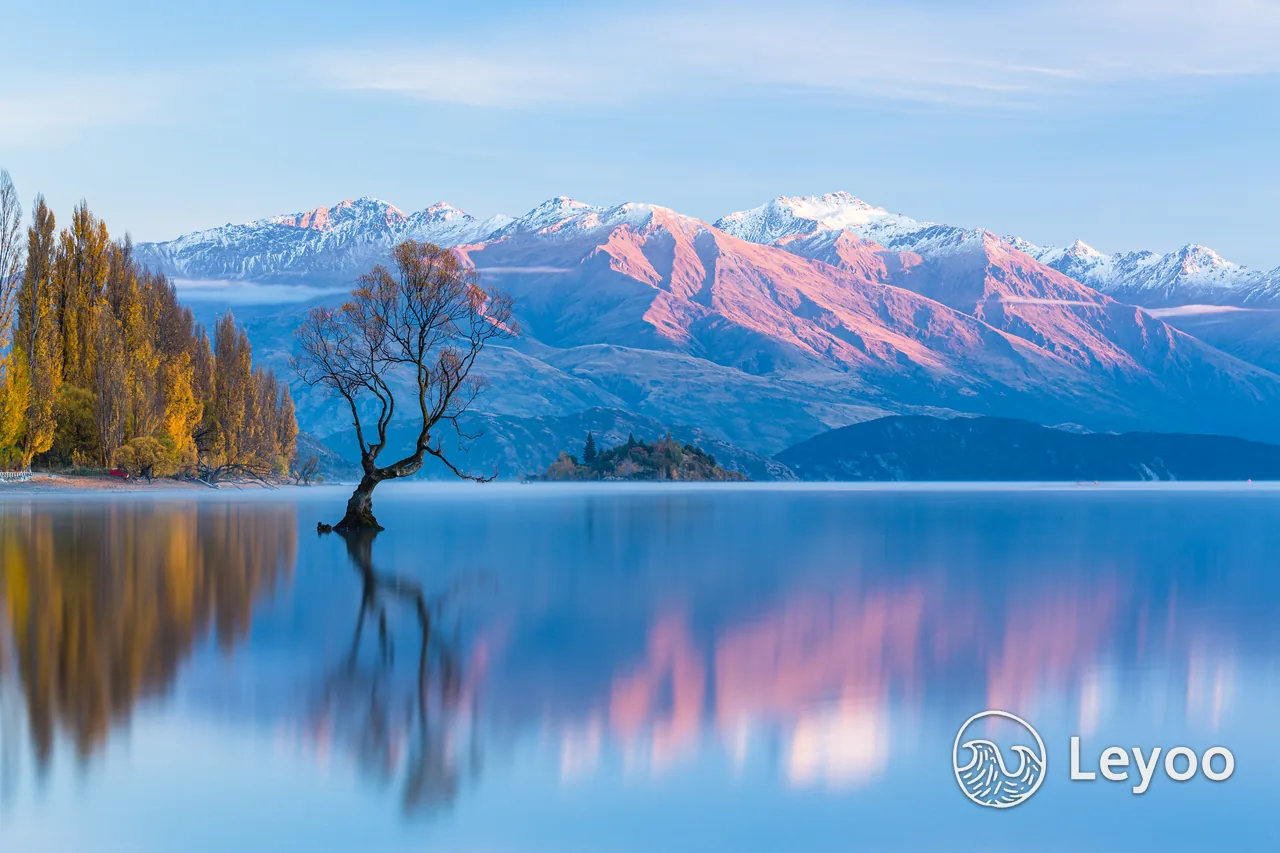
| Main experiences | Cities, coastlines, Māori culture and geothermal landscapes. Auckland and Rotorua are possible starting points. | Mountains, lakes, glacial valleys and fiords. Choose among Christchurch, the Aoraki / Mount Cook region, Wānaka and Queenstown. |
| Your interests | A mix of cultural experiences, city life and nature. | More time for mountain and lake scenery, photography or outdoor experiences suited to your ability. |
| Route choices | Focus on Auckland and central regions. Continuing north or travelling to Wellington adds travel time. | Focus on one mountain and lake region. Adding Fiordland, the West Coast or the far south means recalculating driving times. |
| Family planning | Choose geothermal, cultural or city experiences around your children’s interests, checking each activity’s conditions. | Alternate lakeside rest, short walks and sightseeing days, rather than trying to cover every famous place. |
Tourism New Zealand’s North Island overview and South Island overview introduce regional highlights. The comparison above draws on those overviews as planning guidance. The North Island also has mountains, and the South Island also offers cities and cultural experiences, so broad labels cannot decide your whole holiday.
Match your coverage to the time available
Around one week: choose one island and one main focus
Start with two bases: for example, Auckland and Rotorua for North Island experiences, or Queenstown and Wānaka for a South Island mountain and lake trip. Adding other places depends on your airports, realistic driving times and your companions’ energy. These combinations are suggestions, not fixed bookable tours.
Around ten days: one island leaves more room to stay longer
Extra time spent exploring a region can be more valuable than adding more towns. If you want to combine Christchurch, the Mackenzie region and Queenstown, decide how many nights to spend in each before choosing essential activities. Reduce fixed bookings on days that already include a long drive.
Around two weeks or more: consider whether both islands fit
You can combine your priorities on each island, but allow a separate day for travelling between them. For flights, account for airport journeys, luggage and transfers. For a ferry, check sailing times, check-in requirements and whether your vehicle is permitted on board. The day’s options depend on the operator’s information; travel between islands takes time and coordination.
If a two-island itinerary means moving on every day, leave out one region or save it for another visit. A longer holiday does not have to include both islands.
Distance alone will not tell you how easy a day will feel
Tourism New Zealand’s driving and itinerary advice notes that many roads are narrow, winding or hilly, and journeys may take longer than expected. Add rest stops, meals, sightseeing and check-in time to the estimated drive. Check road conditions and weather before setting out.
Divide your days into travel days, local experience days and flexible days. Make reaching your next base the priority on travel days, and reserve important bookings for local experience days. Flexible days give you time to rest or adapt to changing weather. This makes it easier to see whether a route is too busy.
Consider the season and your specific regions
New Zealand’s seasons are opposite to those in the Northern Hemisphere: summer runs from December to February, and winter from June to August. Tourism New Zealand’s climate and weather guide also explains that weather varies by region and can change quickly. Once you choose an island, plan clothing and alternatives for your particular destinations rather than treating a month as a weather guarantee.
If mountain scenery is a priority, leave flexibility around weather-sensitive experiences. Families can prepare a local alternative that does not depend on sunshine. For mountain roads in winter, check road conditions and transport arrangements before departure rather than deciding whether to continue only when you arrive.
Common questions
Should families with children always choose the North Island?
Either island can work. Start with your children’s interests in culture, animals, cities or mountain and lake scenery, then consider activity conditions, driving and accommodation. A South Island itinerary with fewer transfers and enough rest can also be comfortable. Read our guide to New Zealand with kids for more detail.
If my international flight arrives in Auckland, must I stay in the North Island?
No, but continuing to the South Island adds another journey. Compare flights and connections before deciding whether to rest in your arrival city and how to organise your return. Your entry airport alone should not decide the whole trip.
How can I tell whether my first itinerary is too busy?
Look for several consecutive accommodation changes, fixed-time activities immediately after long drives, and days with no alternative if weather changes. If removing one destination lets you stay two extra nights in one place, compare that more relaxed version carefully.
Turn your preferences into an itinerary you can discuss
Browse Leyoo’s New Zealand regional overview to identify two or three places you most want to visit, then explore our travel services. Leyoo offers tailor-made New Zealand holidays and selected themed small-group journeys. Dates and arrangements need to be discussed around your requirements.
When you contact Leyoo Travel, include your intended month, available nights in New Zealand, the number and ages of travellers, arrival and departure cities, and your most important experiences. Even if you have not chosen an island, explain preferences such as avoiding rushed days or frequent hotel changes.
References
- Tourism New Zealand: North Island overview
- Tourism New Zealand: South Island overview
- Tourism New Zealand: driving and travel times
- Tourism New Zealand: climate and weather
The Chinese source guide’s references were checked on 11 October 2026. This English translation was published on 13 October 2026. Durations and combinations are editorial planning suggestions; confirm specific transport, activity conditions and opening arrangements before booking.