Leyoo Travel ·
Start planning a family trip to New Zealand around your children’s routines, the time they can comfortably spend in a car, and the experiences that interest them. One main activity each day, with room for meals, rest and changes of plan, usually makes the holiday easier for everyone. Both islands can work well for families; the places you choose and the pace of your itinerary matter more than a general label of “family friendly”.
This guide covers daily routines, transport, accommodation and activities at different stages of childhood. The age groups below are planning suggestions, not operators’ participation rules. Check the conditions for each boat trip, outdoor activity or paid experience before booking.
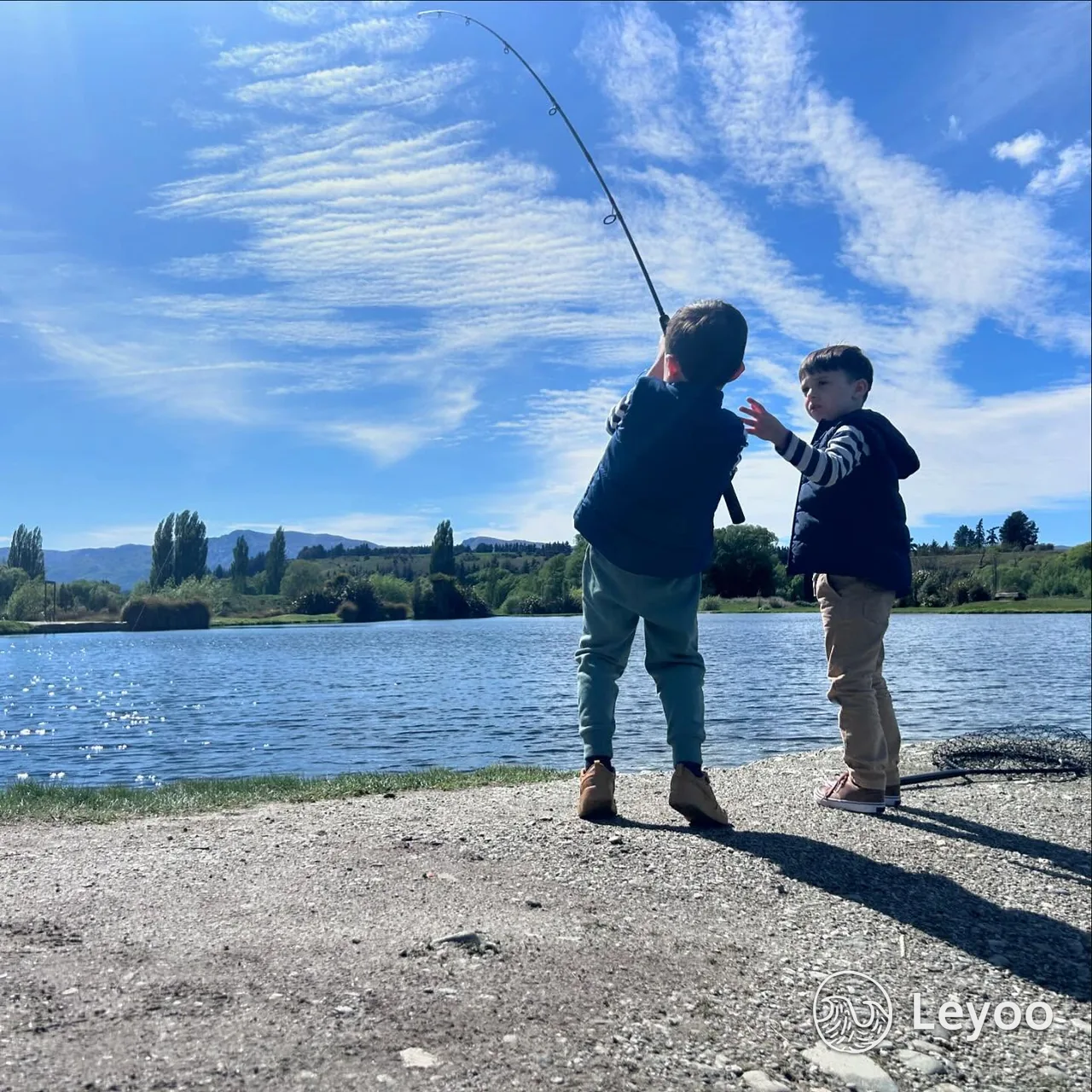
Plan around your children’s stage of development
| Stage | Priorities | Questions before booking |
|---|---|---|
| Babies, toddlers and preschoolers | Naps, regular meals, easy access to your accommodation and activities you can shorten. | Is a cot confirmed? Can you use a pushchair? What child restraints, toilets and changing facilities are available? |
| Primary school children | Short walks, observing nature and interactive cultural experiences. Let children help choose the day’s main activity. | How much walking is involved? What is the duration, minimum age or height, and adult supervision requirement? |
| Teenagers | Build on interests such as sport, photography, nature or cities, with time for their own choices. | What skills, equipment and participation conditions apply to outdoor activities? What happens if weather prevents them going ahead? |
If siblings are at different stages, choose an easy activity everyone can share, then allow time for individual interests. When splitting up, agree on adult supervision and a meeting place beforehand rather than leaving childcare arrangements until the last moment.
Give each day a workable family rhythm
Use this structure to review your plans, rather than as a timetable you must follow:
- One main experience in the morning. Choose a time when your children usually have energy, and check the meeting time before booking.
- Leave space for lunch and rest. If a child needs a nap, try to make returning to your accommodation practical. If that is not possible, reduce the ground you cover that day.
- Choose a flexible afternoon activity. A nearby walk or time in a park lets you adjust the length of the outing to the weather and everyone’s energy.
- Keep evenings simple. For a night-time experience, consider the finish time and the next day’s departure. Avoid several late nights followed by early starts.
Use your arrival day to rest and get to know the area. On a travel day, make reaching your next base the priority before adding activities. If your child gets travel sick, identify places to stop and rest, and reduce the number of bookings you must reach immediately after a drive.
Choose an island and a few bases, with fewer hotel changes
Read our North Island or South Island guide, then use the regional overview to identify places that interest your children. Neighbouring North Island regions can suit a trip focused on culture and geothermal landscapes; a South Island route can focus on mountains and lakes.
Build your family itinerary around a small number of accommodation bases, with several nights in places you enjoy. Every new town adds packing, checking out, travelling, checking in and settling into unfamiliar surroundings. Compare the number of accommodation changes before comparing the number of attractions.
Staying in one lake region for local activities and rest days creates a different holiday from moving between regions every day. Both may offer wonderful scenery, but they require different amounts of energy and parental coordination. Map distances alone do not tell you how relaxed a day will feel.
Transport: confirm child restraints, luggage space and realistic timings
Tourism New Zealand’s driving advice explains that roads can be narrow, winding or hilly, so allow enough travel time and take breaks. Add time for meals, toilets and rest to the estimated drive, rather than shortening stops to reach a booking.
Whether hiring a car or discussing transfers, provide each child’s age, height and weight before booking. Confirm a child restraint suitable for both the child and the vehicle, how it will be installed, and the available luggage space. NZTA Waka Kotahi’s child restraint guidance sets out age requirements and approved standards. Do not assume every vehicle has the restraint you need, or that a seat you bring will fit.
Mention pushchairs, prams and additional luggage when requesting a quote. The vehicle and equipment should be confirmed as part of the arrangements.
Accommodation: ask specific questions about your family’s needs
- Sleep: Do the beds, room layout and permitted occupancy work for your family? Is a cot or extra bed confirmed, rather than simply requested?
- Meals: Are the kitchen or food-heating facilities you need available? Is eating nearby convenient? Explain dietary needs in advance.
- Daily routines: How practical are laundry, parking and moving luggage? Do stairs, balconies and pools suit the supervision your family needs?
- Changes: How do check-in and check-out times and cancellation terms affect transport and your children’s routines?
A property name or a “family friendly” label cannot replace these checks. Separate your essential requirements from acceptable alternatives to help assess whether a room is suitable.
Nature activities: check the route as well as the photographs
The Department of Conservation’s short walks directory is a useful starting point. For each walk, check its grade, slopes, steps, distance, expected duration and current alerts. A short walk is not necessarily suitable for a pushchair or easy for every child.
DOC’s outdoor preparation advice recommends choosing a route for your ability, checking weather, carrying warm clothing and extra food, and telling someone your plans. Prepare clothing, drinking water, food and a route you can adjust. Choose an easier local alternative when conditions are unsuitable.
Ask about minimum ages, height or weight limits, adult supervision, duration and weather-change policies for each activity. Children appearing in a photograph do not establish eligibility for a boat trip, kayaking or another outdoor experience. Wildlife sightings and clear skies for stargazing cannot be guaranteed.

Have an alternative for rain or tired children
At each base, prepare an option that does not depend on fine weather and makes returning to your accommodation easy. A local museum or another indoor venue may work, but check opening times and your children’s interests. Sometimes a rest at your accommodation is the best plan for the day.
Allow flexibility around important outdoor experiences, but check whether bookings can be moved and what conditions apply. Do not assume every activity can be rescheduled without a fee, or fill your spare day with more fixed bookings.
Gather this information before discussing your family trip
- Your intended month, available nights, and arrival and departure cities. If flights are not booked, explain what can change.
- The number of adults and children, each child’s age, and the height and weight information needed for child restraints.
- Nap routines, comfortable driving and walking durations, and how often you are willing to change accommodation.
- The two or three experiences you most want to include, and activities you would prefer to avoid.
- Essential accommodation needs, dietary requirements, pushchairs and luggage, and a budget range you can discuss.
Browse Leyoo’s family journeys for existing trip ideas, or explore travel services including tailor-made holidays, then contact Leyoo Travel to discuss your family’s pace. Dates, participation conditions and service arrangements need to be checked individually when confirming your itinerary.
References
- Tourism New Zealand: driving and travel times
- NZTA Waka Kotahi: child restraint requirements
- Department of Conservation: short walks
- Department of Conservation: outdoor preparation
The Chinese source guide’s references were checked on 11 October 2026. This English translation was published on 13 October 2026. Age groups and daily routines are editorial planning suggestions; activity eligibility, equipment and availability depend on booking confirmations and operators’ conditions.